



Prepaid cremation lets you lock in and pay for a cremation now, so the cost is settled and the decisions are off your family's plate later. A simple direct cremation in the United States usually runs about $800 to $3,000, and prepaying either holds today's price or sets the money aside in a protected account. Done right, it is one of the kindest things you can do for the people you leave behind. Done without the right questions, it can tie your money up in a plan that is hard to move. Here is exactly how prepaid cremation works in 2026, what it costs, and how to prepay without the common traps.
What Prepaid Cremation Actually Means
Two things often get blurred together. Pre-planning is writing down what you want, the type of cremation, what happens to the ashes, any service. Pre-paying is funding those wishes in advance. You can do one without the other. Prepaid cremation is the paid version: you choose a provider, select a direct cremation or a cremation with a service, and pay now, either in a lump sum or in installments.
Most people who prepay are buying a direct cremation, the simplest and lowest-cost option. There is no viewing, embalming, or formal ceremony beforehand, and the ashes are returned to the family in a few weeks. If you want a visitation or a memorial, that can be added, and it raises the price.
How Much Does Prepaid Cremation Cost in 2026?
Price depends mostly on the provider and your location. These are typical 2026 ranges for the cremation itself, before any service add-ons.
| Option | Typical cost | What it includes |
|---|---|---|
| Direct cremation (independent provider) | $795 to $1,500 | Transport, cremation, basic container, ashes returned |
| Direct cremation (national brand) | $1,950 to $2,750 | Same, often with membership or travel add-ons |
| Cremation with a memorial service | $4,000 to $7,000 | Viewing or service, rental casket or urn, staff |
| Full funeral with cremation and viewing | About $6,280 (national median) | Service, viewing, cremation, per the NFDA |
The spread is huge, and it is almost entirely about whom you call. The national median for a funeral with cremation and a viewing is about $6,280 according to the NFDA, but a no-frills direct cremation from a local provider can be a fraction of that. Prices are rarely posted online, so calling two or three providers is the single most reliable way to avoid overpaying.
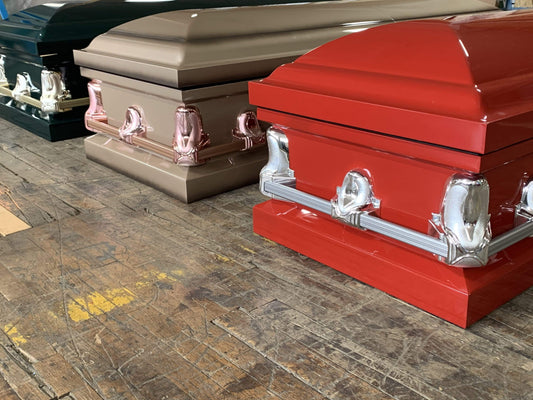
One line item you do not have to buy from the funeral home is the container. A cremation casket or a quality urn bought direct almost always costs less than the funeral home's markup, and federal law requires providers to accept one you supply. You can compare cremation caskets and cremation urns and bring your own, which is often where families save the most.
How You Pay: Trust-Funded vs Insurance-Funded
When you prepay, your money is usually held one of two ways, and the difference matters more than the brochure suggests.
- Trust-funded: your payment goes into a state-regulated trust account. The provider can only draw on it when the cremation is actually carried out. How much of your money must stay in trust, and whether the interest keeps up with rising prices, varies by state.
- Insurance-funded: your payment buys a pre-need or final expense insurance policy that names the funeral home as the payee. This can be easier to move between providers, but the payout may not grow fast enough to cover future price increases, and canceling early can mean losing value.
Ask which one you are signing, in writing. If you want the plan mainly to cover costs rather than lock arrangements to one funeral home, an insurance-funded plan is often more portable.
Guaranteed vs Non-Guaranteed Plans
A guaranteed plan means the provider will deliver the specified services at no extra charge later, in exchange for full funding now. This is the real value of prepaying, because it protects you from years of inflation. A non-guaranteed plan only sets money aside, and your family may owe the difference if costs rise. Cash-advance items like death certificates, cemetery fees, and third-party goods are usually not locked in either way, so confirm exactly what the guarantee covers.
Revocable vs Irrevocable, and the Medicaid Angle
A revocable plan can usually be canceled, though you may forfeit fees or interest. An irrevocable plan generally cannot be cashed out. People choose irrevocable plans for a specific reason: an irrevocable funeral trust is often treated as an exempt asset when qualifying for Medicaid, so setting aside funeral money this way does not count against you. A few states limit how this works, so check your state's rule before you make a plan irrevocable.
Your Rights Under the FTC Funeral Rule
The federal FTC Funeral Rule is on your side. Any funeral home must give you an itemized General Price List, so you can see the charge for each item instead of one bundled figure. You are allowed to buy only what you want, and you can supply your own casket or urn without a surcharge. For a plain-English walkthrough, see our explainer on what the FTC Funeral Rule means.
The Risks of Prepaying, and How to Avoid Them
Prepaid cremation is a good idea for most families, but a handful of things go wrong often enough to plan around.
- Portability: moving to another state or switching providers can be difficult or costly. Money held in a state-regulated trust or a proper insurance policy is usually protected and can often be transferred. Money held directly by a single provider is the riskiest.
- Refunds: revocable plans may charge cancellation fees or withhold interest. Read the cancellation terms before you sign, not after.
- Provider closure: if the funeral home goes out of business, trust and insurance funding usually survive it. A handshake prepayment does not.
- Lost paperwork: a plan nobody can find does not help anyone. Keep a copy with your estate documents and tell the person who will handle your arrangements.
Prepaid Cremation vs Setting Money Aside Yourself
You do not have to prepay to be prepared. Some families pre-plan the cremation, buy the casket or urn in advance to lock that cost, and keep the rest in a dedicated savings account or a small final expense policy. That keeps your money fully in your control and portable, at the cost of giving up the price guarantee. If protecting against inflation and taking the decision off your family entirely matters most, a guaranteed prepaid plan wins. If flexibility matters most, a payable-on-death account or a small policy may suit you better. Our guide on cremation vs burial costs breaks down where the money actually goes.
What to Ask Before You Sign
- Is this plan guaranteed or non-guaranteed, and exactly which services are locked in?
- Is it trust-funded or insurance-funded, and is it revocable or irrevocable?
- What happens if I move, or if your company closes or is sold?
- What are the cancellation terms and the refund, in writing?
- Can I supply my own casket or urn, and does that reduce the price?
Frequently Asked Questions
How much does a prepaid cremation cost?
A prepaid direct cremation typically costs about $800 to $3,000 depending on the provider and your location, with independent providers usually cheaper than national brands. Adding a viewing or memorial service raises the total, often to $4,000 or more.
Is prepaid cremation a good idea?
For most people, yes. A guaranteed prepaid plan locks in today's price, protects against years of inflation, and spares your family from making and paying for arrangements while grieving. The main cautions are portability and refund terms, so read those before signing.
What happens to my prepaid cremation if I move or the provider closes?
If your money is in a state-regulated trust or a pre-need insurance policy, it is usually protected and can often be transferred to another provider. Money handed directly to a single funeral home with no trust or policy behind it is the hardest to recover.
Can I prepay just for the cremation and buy the urn myself?
Yes. The FTC Funeral Rule lets you buy only the services you want and supply your own urn or cremation casket without a surcharge, which is often where families save the most.
Plan Ahead With Titan Casket
Prepaying is really about control: locking the cost, choosing what you want, and making sure your family is not left guessing. Titan Casket lets you handle the biggest line items directly, with cremation caskets and urns priced well below typical funeral home markups and shipped when you need them. If you want help planning the full arrangement, including coverage options, our team at Titan Concierge can walk you through it. Plan it once, on your terms, and give the people you love one less thing to carry.