![Upgrade to Premium Weight [18-gauge steel]](http://titancasket.com/cdn/shop/products/casketthicknesswithnumbers.png?v=1680642906&width=533)

A biodegradable casket is a casket made entirely from materials that break down naturally in the soil, with no metal hardware, no plastic lining and no chemical finishes. Wicker caskets woven from willow, bamboo or seagrass, plain pine boxes, cardboard caskets and wool or cotton shrouds all qualify. They are the standard choice for a natural or green burial, and a growing number of families choose one for a conventional cemetery burial simply because it feels right.
This guide explains how each type of biodegradable casket is made, what to look for when buying one, whether your cemetery will accept it, and what you can expect to pay.
Plan Your Farewell with Grace – Our Pre-Planned Caskets Offer Peace of Mind
What Makes A Casket Biodegradable?
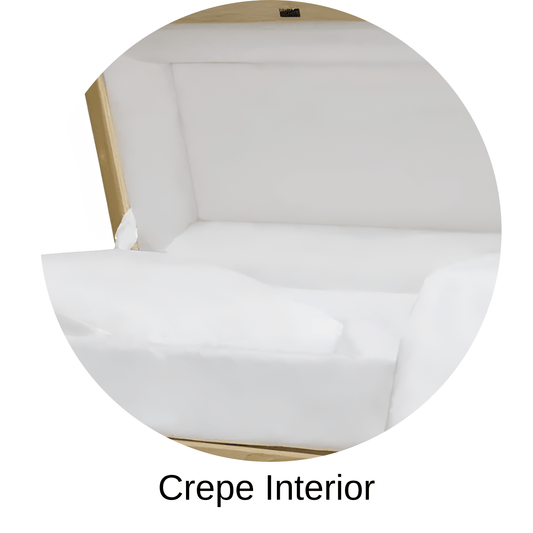
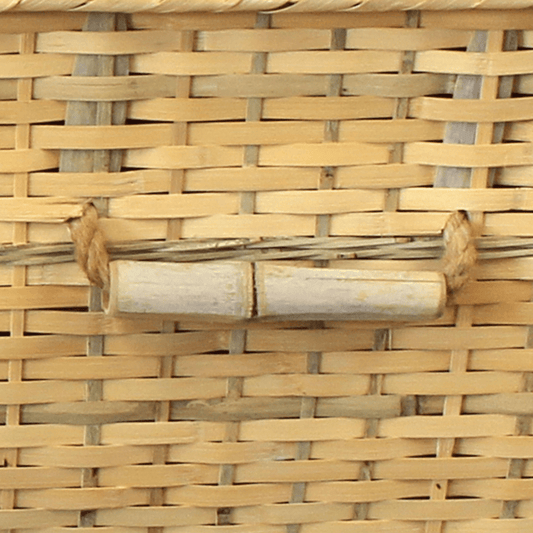
For a casket to be considered biodegradable it needs to meet three conditions. The shell must be a natural, untreated material such as solid wood, woven plant fiber, cardboard or wool. The hardware, including hinges, handles and fasteners, must be free of steel, brass and plastic, so makers use wooden dowels, rope handles and woven fastenings instead. And the interior must be a natural fabric such as unbleached cotton, linen or wool rather than the polyester or satin lining found in most conventional caskets.
Metal caskets, fiberglass caskets and any wood casket with a lacquered or varnished finish do not qualify. Some hardwood caskets fall in between: an all-wood oak or poplar casket with a natural oil finish will decompose, but more slowly than pine or willow.
The Green Burial Council, the nonprofit that sets standards for green cemeteries and burial products in the United States, requires that certified burial containers be made from materials that are non-toxic, readily biodegradable and sustainably sourced. Cemeteries that hold its certification will only accept containers that meet those criteria.
Wicker Caskets: Willow, Bamboo And Seagrass
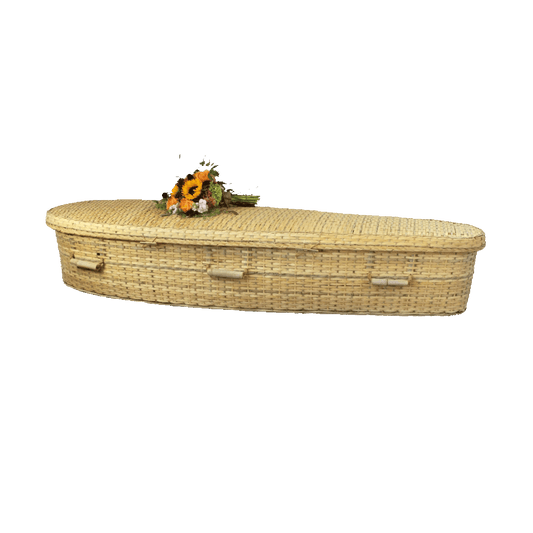
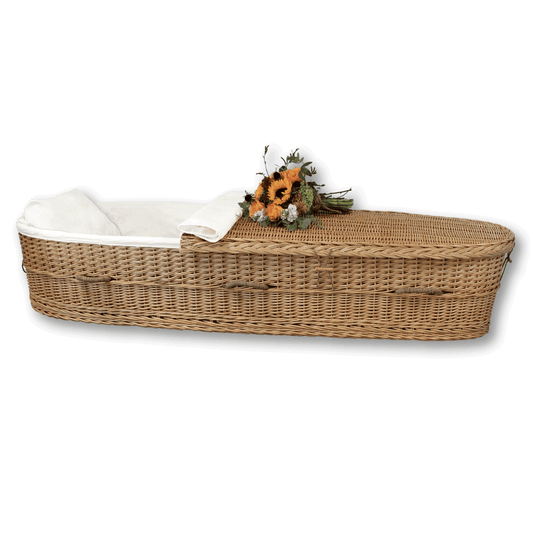
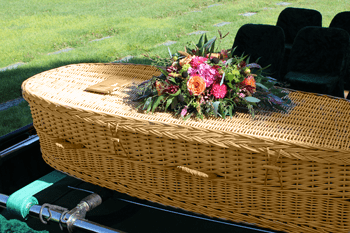
A wicker casket, sometimes called a basket casket or burial basket, is woven by hand from plant stems over a frame of the same material. It is the most recognizable style of biodegradable casket and the one most people picture when they think of a natural burial. Wicker caskets typically weigh 40 to 60 pounds, roughly a third of a standard steel casket, which makes them easier for pallbearers to carry over uneven ground in a woodland or meadow cemetery.
Three materials are common in wicker caskets:
- Willow is the traditional choice. The rods are harvested annually from coppiced trees that regrow from the same root, soaked and woven while pliable, then dried to a firm, slightly springy shell in a natural buff or golden tone. The Titan Willow is woven from willow throughout.
- Bamboo grows faster than any wood and needs no replanting, so it has the lightest environmental footprint of the three. Bamboo caskets are pale, smooth and very light. See the Titan Bamboo.
- Seagrass is usually woven around a willow frame for strength. It gives a darker, more textured finish with a distinctive banded pattern. The Titan Seagrass combines a willow structure with a seagrass weave.
Every wicker casket should come with a natural fabric liner, a fitted base board so the weave does not sag under load, and woven or rope handles rated for the weight of the casket and the deceased. Ask the seller to confirm the maximum supported weight before you order.
Other Biodegradable Casket Options
Wicker is not the only choice. Depending on your budget and the look you want, consider:
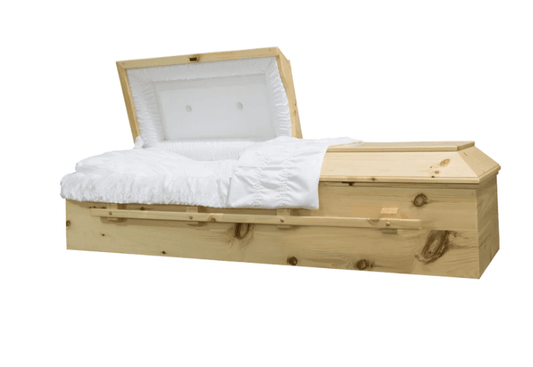
- Pine box caskets. A plain pine casket with wooden dowel joinery and rope handles is the most affordable solid-wood option for a natural burial and is also the traditional casket for Jewish and Amish funerals. Titan's Eco I and Eco II pine boxes are made in the USA without metal hardware.
- All-wood hardwood caskets. Oak, poplar and other hardwood caskets built with no metal fasteners decompose fully but take longer than softwood. They suit families who want a conventional appearance with an eventual return to the soil.
- Cardboard caskets. Made from recycled corrugated board, these are the lowest-cost option and can be decorated by the family. They are widely used for cremation as well as natural burial.
- Wool and cotton shrouds. Many green cemeteries allow burial in a shroud with no casket at all. A simple pine or wicker carrier board is usually required to lower the body into the grave.
- Mushroom and mycelium caskets. A newer category grown from fungal mycelium rather than manufactured. They decompose in weeks and are becoming available in the United States on a made-to-order basis.
Lancaster (Pine) (Made in USA)
Sale price
$1,799
Titan Bamboo
Sale price
From $2,399
Titan Willow
Sale price
From $2,399
Can You Use A Biodegradable Casket In A Regular Cemetery?
Usually, yes. No state law prohibits burial in a wicker or pine casket, and under the FTC Funeral Rule a funeral home must accept a casket you bought elsewhere without charging a handling fee. The question is the grave, not the casket.
Most conventional cemeteries require an outer burial container, either a concrete vault or a grave liner, to stop the ground settling as the casket breaks down. A biodegradable casket placed inside a sealed vault will still decompose, but far more slowly, and the vault itself defeats the environmental purpose. If a true natural burial matters to you, ask the cemetery three questions before you buy a casket:
- Do you allow burial without a vault or grave liner, or do you have a designated natural burial section?
- Do you require embalming for burial, or for a viewing beforehand? (No state requires embalming for a prompt burial; refrigeration is an accepted alternative.)
- Are there restrictions on casket size or materials in the natural section?
Hybrid cemeteries, which set aside a vault-free section within a conventional cemetery, are now the most common place to have a natural burial, and dedicated green cemeteries and conservation burial grounds are available in most states. The terms "natural burial" and "green burial" are used interchangeably; both mean burial without embalming, without a vault, and in a biodegradable container. Our guide to natural burial covers the process from start to finish, and our embalming vs. natural burial comparison explains what changes at the funeral home.
How Much Does A Biodegradable Casket Cost?
Biodegradable caskets range from under $500 for a cardboard casket to $1,000 to $2,000 for a pine box and roughly $2,000 to $3,500 for a hand-woven willow, bamboo or seagrass casket bought directly from a manufacturer or online retailer. The same wicker casket sold through a funeral home can cost considerably more, because funeral homes typically apply a markup to caskets in their showroom. Buying online and having the casket delivered to the funeral home is allowed under the Funeral Rule and is the simplest way to control the cost.
Because a natural burial also removes the cost of embalming, a burial vault and, in most cases, a metal casket, the total cost of a green funeral is usually well below the national median for a conventional burial. Our breakdown of funeral costs and how to save shows where the money goes.
How To Choose The Right One
Start with the cemetery's rules, since they decide whether a casket, a shroud or either is acceptable. Then weigh the following:
- Interior dimensions. Wicker caskets are often built to a single standard size. Check the internal length and width against the deceased's height and shoulder width, and ask about oversized options if needed. Our guide to casket sizes explains the measurements.
- Weight rating. Confirm the maximum load, particularly for wicker and cardboard.
- Handles. Six pallbearer handles are standard. Rope handles on a pine box and woven handles on a wicker casket should be integral to the structure, not attached with metal.
- Viewing. If there will be an open-casket visitation, a wicker casket with a lift-off lid and a fitted liner presents well. Cardboard caskets are generally used for closed services.
- Delivery time. Most biodegradable caskets ship within one to three business days from stock; hand-woven and made-to-order designs can take longer, so order as early as you can.
Planning A Natural Burial
Choosing the casket is one decision among many. You will also need to find a cemetery that permits vault-free burial, confirm the funeral home will handle an unembalmed body, and decide whether to hold a service at the graveside or elsewhere. If you would like help working through those steps, Titan Concierge offers free funeral planning guidance, and its funeral concierge services can coordinate with the cemetery and funeral home on your behalf. Our step-by-step guide to how to plan a funeral is a useful starting point as well.
Frequently Asked Questions
Is a wicker casket strong enough?
Yes. A properly made willow, bamboo or seagrass casket has a solid base board and a woven shell that flexes rather than cracks under load. Reputable makers state a maximum supported weight, usually in the range of 250 to 350 pounds for a standard size.
How long does a biodegradable casket take to decompose?
In direct contact with soil, a cardboard casket breaks down within a few months, willow and seagrass within one to three years, and pine within five to ten years depending on soil moisture. Inside a sealed concrete vault the process is much slower because the casket is kept dry.
Can a biodegradable casket be used for cremation?
Yes. Wicker, cardboard and pine caskets are all accepted by crematories and produce fewer emissions than a casket with metal hardware or a lacquered finish. Confirm with the crematory that the casket's dimensions fit its chamber.
What is the difference between a natural casket and a green casket?
There is no formal difference. Both describe a casket made from biodegradable materials without metal, plastic or chemical finishes. "Eco-friendly casket" and "biodegradable casket" are used the same way.
Titan Casket sells willow, bamboo and seagrass wicker caskets and made-in-USA pine boxes in our eco-friendly casket collection, with delivery to any funeral home in the continental United States. If you are not sure which is right for your family or your cemetery, contact us and we will help you work it out.