



Disenfranchised grief is grief that society does not openly recognize, validate or support. The term was introduced by grief researcher Kenneth Doka in 1989 to describe a loss the mourner is not given the "right" to grieve, so they grieve privately, often feeling that they cannot share their pain. A pet's death, an ex-partner's death, a miscarriage or a loved one lost to overdose can all fall into this category.
What Is Disenfranchised Grief? Definition and Meaning
Most communities have unwritten rules about who may grieve, for whom and for how long. A spouse or parent is expected to mourn and is usually offered sympathy, time off work and a place at the funeral. When the loss, the relationship or the mourner falls outside those rules, the grief is "disenfranchised": it is real and valid, but it is not acknowledged, so the person is left to carry it alone.
Disenfranchised grief is sometimes called hidden or unrecognized grief. It is not a different emotion from ordinary grief. What makes it different is the lack of social permission, which removes the support that normally helps people through the stages of grief.
Types of Disenfranchised Grief
Doka described several ways grief can go unrecognized:
- The relationship is not recognized. Unmarried partners, ex-partners, secret relationships, friends, co-workers and step-relatives are often treated as having "less right" to mourn than blood relatives.
- The loss is not recognized. Miscarriage, stillbirth, abortion, the death of a pet, or non-death losses such as a job, a limb or a loved one's dementia diagnosis are often brushed aside.
- The griever is not recognized. Young children, older adults and people with intellectual disabilities are sometimes assumed not to grieve, or are kept away from the funeral.
- The circumstances of the death carry stigma. Suicide, overdose, incarceration or an execution can make people uncomfortable offering condolences.
- The way a person grieves is not accepted. Someone who grieves quietly, or very visibly, may be told they are doing it wrong.
Examples of Disenfranchised Grief
Common examples include a person mourning the loss of a pet and being told "it was only an animal"; an unmarried partner who is left out of funeral decisions; a former spouse who is not expected to feel anything; a parent who lost a pregnancy early and is told to "try again"; a colleague whose workplace offers no bereavement leave because they were not family; and a family grieving a death by suicide who find that friends avoid the subject.
When people hear "move on," "get over it" or "you're lucky it wasn't worse," the message is that their grief is misplaced. That invalidation is what makes the pain heavier.
Plan Your Farewell with Grace – Our Pre-Planned Caskets Offer Peace of Mind
What Are the Effects of Disenfranchised Grief?
When grief is not acknowledged, people often feel they do not deserve support, so they stop asking for it. Family Health Psychiatric and Counseling Center (FHPCC) writes that many people in this position experience emotional distress and withdraw from others.
FHPCC also notes that some people turn to substances to cope and find it harder to build connections. Because the grief was never processed, it can make later losses harder to work through, since healthy coping habits were never built. Common signs to watch for include persistent guilt or shame about grieving, isolation, trouble sleeping, irritability or numbness, and feeling that no one understands.
How to Cope With Disenfranchised Grief
Regardless of what others think of the loss, your grief is valid. Mind Path Care Centers writes that it is important to validate your grief however much time has passed. Some practical steps:
- Name the loss. Say to yourself what you lost and that it matters. Writing it down can help.
- Create your own ritual. If you were excluded from the funeral, or there was none, hold a small memorial service, light a candle, plant a tree or make a piece of art. If you are organizing something for a loss that others overlooked, funeral planning services can help you shape a service that fits the relationship.
- Tell people what you need. Daja Mayner, MSW, LCSW, writing for Mind Path Care Centers, notes that knowing what you need makes it easier to ask others for it, and for them to help when they otherwise might not have understood.
- Find people who understand. Grief support groups for pet loss, pregnancy loss, suicide loss or other specific situations can offer the acknowledgement that friends and family have not.
- Consider a grief counselor. Therapy that specializes in grief counseling can help you find coping tools you might not have found alone.
If a friend or family member is the one grieving, the most helpful thing you can do is acknowledge the loss without comparing it to anything else. If they were not part of the funeral, a funeral concierge can walk them through planning a farewell of their own.
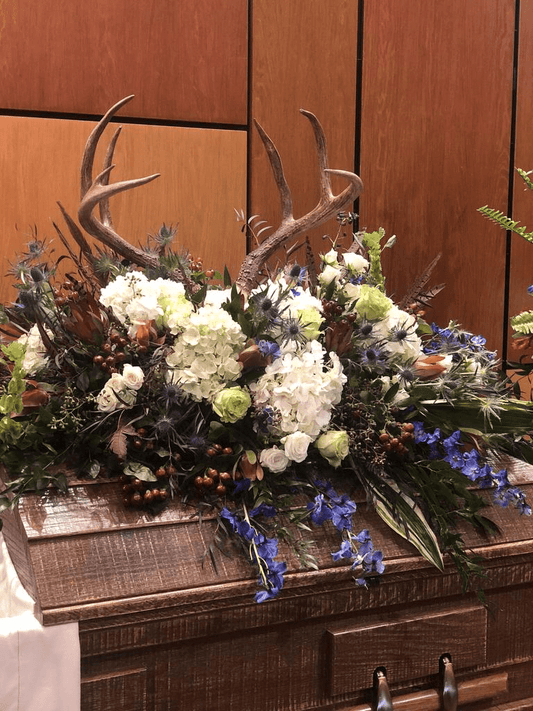
-
Tatiana's Choice
Rustic (Solid Oak) (Made in USA)
Regular price $2,999Regular priceUnit price per$2,499.00 USDSale price $2,999 -
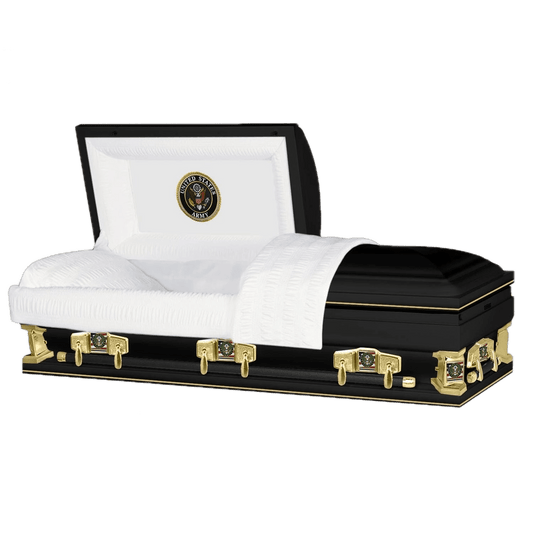
US Army
Veteran Premier XL (Made in USA)
Regular price From $2,499Regular priceUnit price per -
Commander XXL 40 & 44-inch (Made in USA)
Regular price From $3,999Regular priceUnit price per




When to Seek Professional Support
If your grief seriously affects your ability to handle daily life, or you are having thoughts of suicide, call or text 988 to reach the 988 Suicide & Crisis Lifeline, which is available 24 hours a day, or use the online chat on their site. You can also find treatment and support resources through the SAMHSA National Helpline. This article is for general information and does not replace medical or mental health advice. If you or someone you love is struggling with loss, please reach out to a qualified mental health professional.
Frequently Asked Questions
What is an example of disenfranchised grief?
Grieving a pet, an ex-partner, a miscarriage or a death by suicide when the people around you treat the loss as less significant or avoid talking about it.
Who came up with the term disenfranchised grief?
Kenneth Doka, a grief researcher and professor, introduced the term in 1989.
Is disenfranchised grief the same as complicated grief?
No. Disenfranchised grief is defined by a lack of social recognition. Complicated grief describes grief that stays intense and disabling for a long time. The first can contribute to the second, but they are not the same thing.
How long does disenfranchised grief last?
There is no set timeline. Without support or a way to mourn openly, it can last longer or resurface later, which is why acknowledging the loss and finding support matters.
Titan Casket helps families plan funerals and navigate grief, whatever form it takes, and Titan Concierge offers free funeral planning guidance, along with caskets at a fair price.