
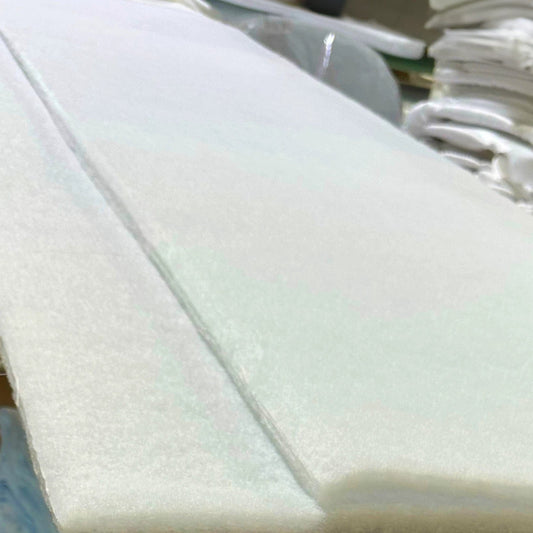
![Upgrade to Premium Weight [18-gauge steel]](http://titancasket.com/cdn/shop/products/casketthicknesswithnumbers.png?v=1680642906&width=533)
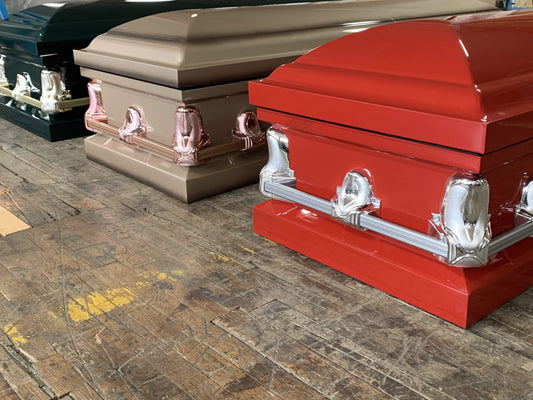

The cost to cremate a person ranges from about $1,000 to $6,280, depending entirely on what service surrounds the cremation. A direct cremation, meaning the cremation alone with no viewing or ceremony, averages about $2,200 nationally and can be found for as little as $1,000 in the cheapest states. A cremation with a viewing and full funeral service has a median cost of about $6,280.
The cremation itself is a small and fairly consistent part of that bill. What moves the price is embalming, a casket, a viewing, and the funeral home service fees. Understanding which of those you actually want is the difference between a $1,500 bill and a $6,500 one.
Cremation Cost by Type of Service
| Type of Cremation | Typical Cost | What Happens |
|---|---|---|
| Body donation with cremation returned | $0 | The body is donated to medical research. The organisation cremates and returns the ashes, usually within a month or two. Not all bodies are accepted. |
| Direct cremation | $1,000 to $3,600 (avg. about $2,200) | Transfer of the body, cremation, ashes returned. No embalming, viewing or ceremony. |
| Cremation with memorial service | $4,000 to $6,000 | Cremation happens first, the service follows. No embalming needed, and ashes may be present. |
| Cremation with viewing and funeral | About $6,280 (median) | Body present at the service, so embalming and a casket or rental casket are required, then cremation. |
The median figure for a cremation with a viewing and funeral comes from the National Funeral Directors Association General Price List Study. The direct cremation range reflects current national pricing, which varies more by provider than by anything else. Two crematories in the same city routinely differ by a thousand dollars for an identical service.
What Is and Is Not Included
A direct cremation price normally covers the transfer of the body from the place of death, the basic services of the staff, the cremation itself, a simple container for the cremation, and the return of the ashes in a plain temporary container.
It normally does not cover the death certificate copies, the crematory fee if the funeral home outsources the cremation, an urn, or any obituary. These are the items that turn an advertised $1,295 direct cremation into a $1,900 final bill, so ask for them to be itemised up front.
| Add-On | Typical Cost |
|---|---|
| Urn | $100 to $500 |
| Certified death certificate copies | $10 to $30 each |
| Rental casket for a viewing | $800 to $1,500 |
| Cremation casket (purchased) | $500 to $2,000 |
| Columbarium niche or urn plot | $500 to $3,000 |
| Obituary notice | $100 to $600 |
If a viewing is important to your family, a rental casket is usually the cheaper route. The body is presented in a full casket for the service and only an inexpensive inner container is cremated. If you would rather purchase, cremation caskets in combustible materials such as poplar, pine or reinforced cardboard cost far less than a metal burial casket, and eco-friendly options are cheaper again. Ashes are returned in a basic container by default, so an urn is a choice rather than a requirement.
-
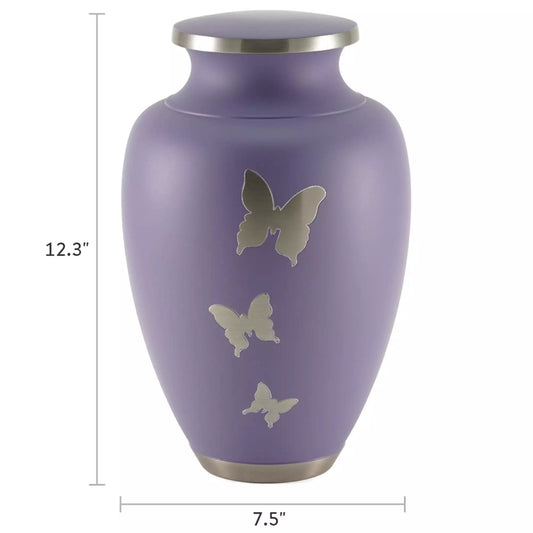
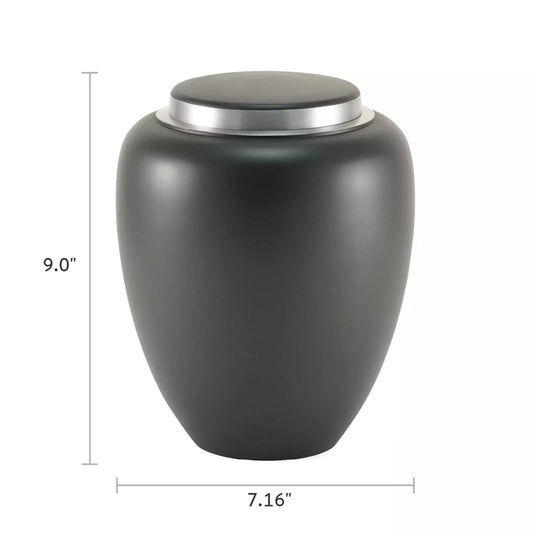
Aria Butterfly Extra Large Adult Urn
Regular price $489Regular priceUnit price per -
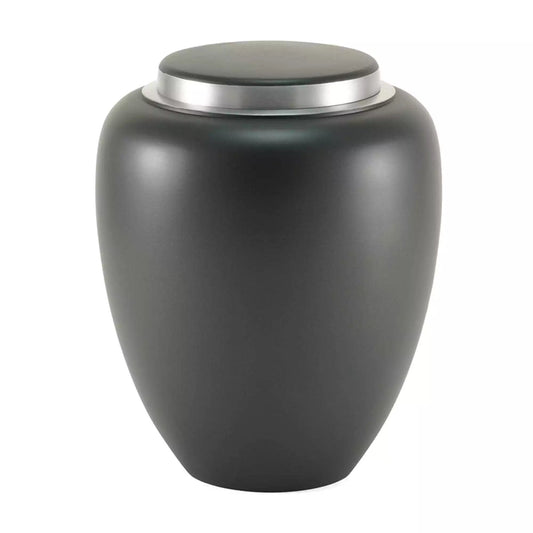
Emerson Granite Large Adult Urn
Out of StockRegular price $187Regular priceUnit price per -
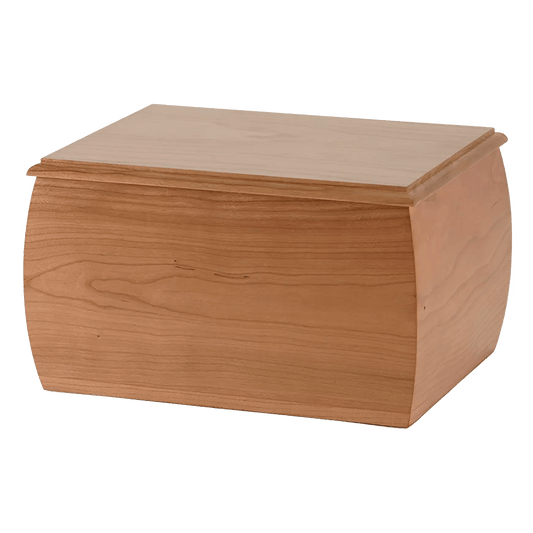
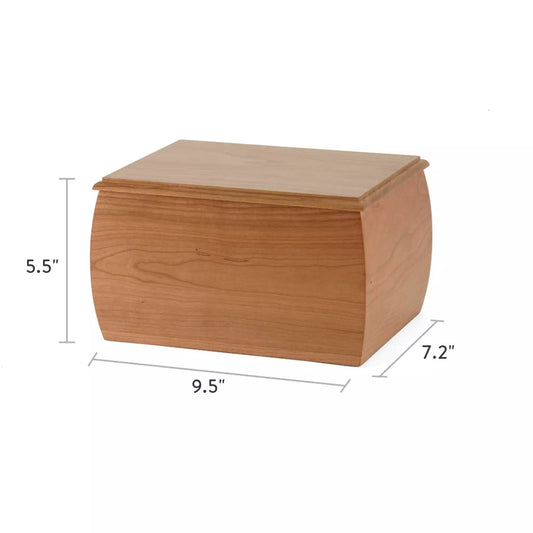
Benton Cherry Wood Large Adult Urn
Regular price $458Regular priceUnit price per

How Cremation Costs Vary by State
Yes, the price to cremate a person varies substantially by state, by more than double between the cheapest and the most expensive.
| Cost Tier | Example States | Typical Direct Cremation |
|---|---|---|
| Highest | Connecticut, North Dakota, Iowa | $2,900 to $3,200 |
| Mid-range | Most of the country | $1,800 to $2,600 |
| Lowest | Oregon, Nevada, Arizona | $1,300 to $1,700 |
The pattern is driven mostly by local competition and regulation rather than by anything intrinsic to the state. Where cremation is common and crematories are numerous, in the West and Southwest, prices are pushed down. Arizona families often pay around $1,433 for a direct cremation. Connecticut families frequently start at about $3,150 for the identical service.
Some states also require a licensed funeral director to file the paperwork even when a crematory performs the cremation, which adds a fee that families in neighbouring states do not pay. This is worth checking locally, because it is a fixed cost you cannot shop around.
How to Reduce the Cost
Call crematories directly, not only funeral homes. A funeral home that outsources the cremation adds its own margin. Going straight to a crematory, where your state allows it, is typically the single biggest saving.
Get itemised price lists from three providers. The FTC Funeral Rule entitles you to an itemised general price list from any funeral home, on request, in person or by phone, before you agree to anything. The FTC also publishes a funeral costs and pricing checklist for comparing quotes. Providers in the same city routinely differ by $1,000 or more for identical services.
Buy the casket or urn separately if you want one. The Funeral Rule also requires funeral providers to accept a casket or urn you purchased elsewhere, and forbids them from charging a fee for it.
Separate the cremation from the memorial. A direct cremation followed by a gathering you host yourself, at home, at a park or at a place of worship, delivers the same farewell for a fraction of a funeral home service fee, and lets relatives travel on their own schedule.
Cremation now accounts for the clear majority of dispositions in the United States, and the rate rises every year. Cost is the most commonly cited reason, followed by simplicity and the flexibility to hold a memorial when the family can actually gather.
Comparing providers while grieving is a genuinely hard thing to do well. Titan Concierge provides free funeral planning support that gathers and compares local prices on your behalf, so you are not making these calls yourself in the first days after a death.
Frequently Asked Questions
How much does it cost to cremate a person?
Between roughly $1,000 and $6,280 depending on the service. A direct cremation averages about $2,200 nationally. A cremation with a viewing and full funeral service has a median cost of about $6,280.
What is the cheapest way to cremate someone?
Donating the body to medical research is free, and the organisation returns the ashes after cremation, though not every body is accepted. The cheapest paid option is a direct cremation arranged through a crematory rather than a funeral home, typically $1,000 to $3,600.
Why is cremation so expensive at some funeral homes?
Many funeral homes do not operate their own crematory and outsource the cremation, adding their margin on top. The funeral home basic services fee is also charged regardless of how simple the arrangement is. Calling a crematory directly usually avoids both.
Does the price include an urn?
Usually not. Ashes are returned in a plain temporary container by default. Urns typically cost $100 to $500 and can be purchased from any retailer, as a funeral provider cannot require you to buy theirs.
How long does cremation take?
The cremation itself takes about two to three hours. The full process from death to the return of ashes usually takes one to three weeks, because most states require a waiting period and an authorisation permit before a cremation can proceed.
Do you need a casket for cremation?
No, but a rigid combustible container is required. That can be a simple cremation container costing a few hundred dollars. A full casket is only necessary if you are holding a viewing with the body present, and a rental casket usually covers that more cheaply than a purchase.
Is cremation cheaper than burial?
Yes, substantially. A traditional burial realistically totals $12,000 to $20,000 once cemetery charges are included. See our full cremation vs burial cost comparison for the line-by-line breakdown.
Prices and legal requirements vary by state and by provider. Confirm the specifics with a local funeral director or crematory before making financial commitments. Titan Concierge also offers funeral concierge services if you would rather have someone handle the comparison for you.