



The acceptance stage of grief is the point where you understand that a loss is real and permanent and begin to adjust to life without that person or thing. It does not mean you are "over it," that you are happy about what happened, or that the pain has gone. It means the fight against the reality of the loss has eased enough that you can live alongside it.
Acceptance is the fifth and final stage in the Five Stages of Grief model that Elisabeth Kübler-Ross introduced in On Death and Dying (1969) and later developed with David Kessler. The Elisabeth Kübler-Ross Foundation stresses that the stages are not a checklist, and most people do not move through them in a neat line.
Plan Your Farewell with Grace – Our Pre-Planned Caskets Offer Peace of Mind
What Is the Acceptance Stage of Grief?
Acceptance is the stage where you stop resisting the facts of the loss. You acknowledge that the death, diagnosis, or ending has happened, and you start working out what life looks like now. Kessler, in Finding Meaning, describes acceptance as recognizing the new reality and learning to live in it, not as feeling fine about it.
It is a calmer period than denial, anger, bargaining, or depression, but calmer is not the same as content. You can accept a loss and still wish it had never happened. If you are working through the whole model, the five stages of grief overview explains how the stages relate to each other.
What Does the Acceptance Stage Look Like?
Acceptance rarely announces itself. People usually notice it in small changes, such as:
- More good days than bad ones, and emotions that feel steadier
- Re-engaging with friends, family, work, and hobbies
- Being able to talk about the person who died without being overwhelmed
- Making practical decisions, such as handling paperwork or deciding what to do with belongings
- Feeling able to try something new without guilt
Acceptance also does not erase grief. Birthdays, anniversaries, and holidays can bring waves of sadness years later, and that is normal. The difference is that you can acknowledge the feeling, recognize the changed circumstances, and carry on.
Acceptance When You or a Loved One Is Dying
Acceptance is not only something survivors reach after a death. A person with a terminal diagnosis may arrive there too, and it often shows up as a wish to settle affairs, say goodbye, and decide how they want to be remembered. For many families this is when funeral planning becomes possible to talk about, and a prepaid funeral plan or a few celebration of life ideas can take a burden off the people left behind. Families who want help with those decisions can use free funeral planning guidance from Titan Concierge, which walks through options without any obligation.
What Comes Before the Acceptance Stage?
In the model, depression comes just before acceptance. This is the stage of deep sadness, exhaustion, brain fog, and sometimes physical pain, as the full weight of the loss sets in. Reaching the end of that stage does not guarantee acceptance follows straight away. Many people circle back to anger, bargaining, or denial before the loss begins to feel livable. If you are earlier in the process, our guides to the denial stage and the anger stage cover what those stages feel like.
-
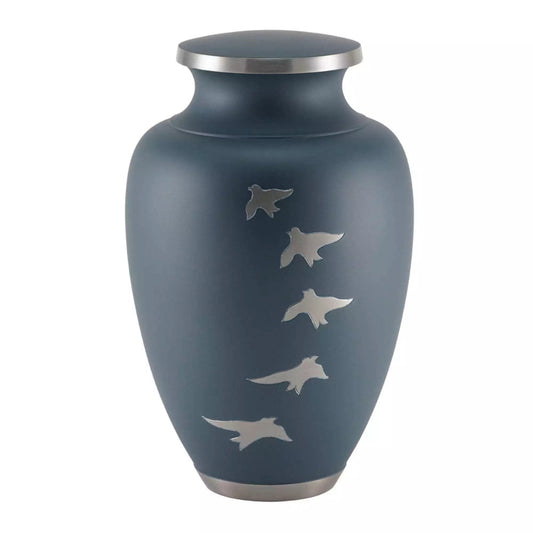
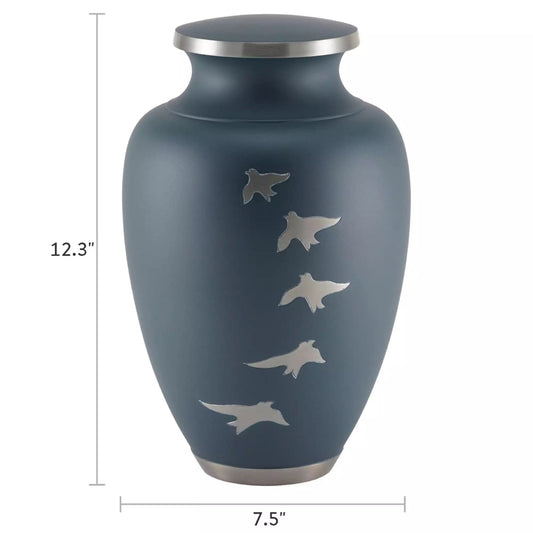
Aria Ascending Extra Large Adult Urn
Regular price $489Regular priceUnit price per -
RA's Choice
Cambridge Series (Made in USA)
Regular price $2,799Regular priceUnit price per




How Long Does the Acceptance Stage Last, and Can You Move Back Out of It?
There is no set length. Acceptance is not a place you arrive at once and stay. You may feel settled for weeks, then be knocked back by a date, a smell, or a song. That does not mean you have failed or lost your progress. Fear, loneliness, and sadness can all return while you are still, overall, accepting the loss. Over time the intervals between hard days usually lengthen, memories become easier to hold, and many people find they can celebrate the life that was lived rather than only feel its absence.
When to Seek Support
Grief that stays intense and keeps you from daily life for a long stretch, or any thoughts of harming yourself, are reasons to talk to a doctor, therapist, or grief counselor. In the United States you can call or text 988 at any time to reach the Suicide and Crisis Lifeline. This article is general information and does not replace advice from a qualified mental health professional.
Frequently Asked Questions
What stage of grief is acceptance?
Acceptance is the fifth and last stage in the Kübler-Ross model, after denial, anger, bargaining, and depression.
Does acceptance mean the grief is over?
No. It means you have acknowledged the loss and begun adjusting to it. Grief can still return, especially around anniversaries and holidays.
Do you have to go through all five stages?
No. People experience some stages, skip others, repeat them, or feel several at once. The stages describe common reactions, not a required order.
If you are also making arrangements, Titan Casket can help you get the funeral you want at a fair price, and funeral concierge support is available if you would like someone to guide you through the planning. Contact us in the chat window.